A redesign should improve the entire experience. Not only the colors.
Webstarz turns outdated, incomplete, and generic websites into custom digital experiences built around the client, market, audience, and goals. Each redesign improves presentation, navigation, mobile usability, search structure, local relevance, trust, and the path from visitor to inquiry.
01
A stronger first impression
Modern design, intentional typography, better imagery, and clearer branding create immediate credibility.
02
A clearer customer journey
Visitors can quickly understand the business, explore services, and find the right next step.
03
A better growth foundation
Local SEO, service pages, schema, mobile design, and stronger calls to action support long-term visibility.
Three website redesigns. Drag each slider to compare.
Each project was rebuilt around a different client, location, audience, and brand. The three comparisons remain together in one row on desktop so the transformations can be viewed side by side.
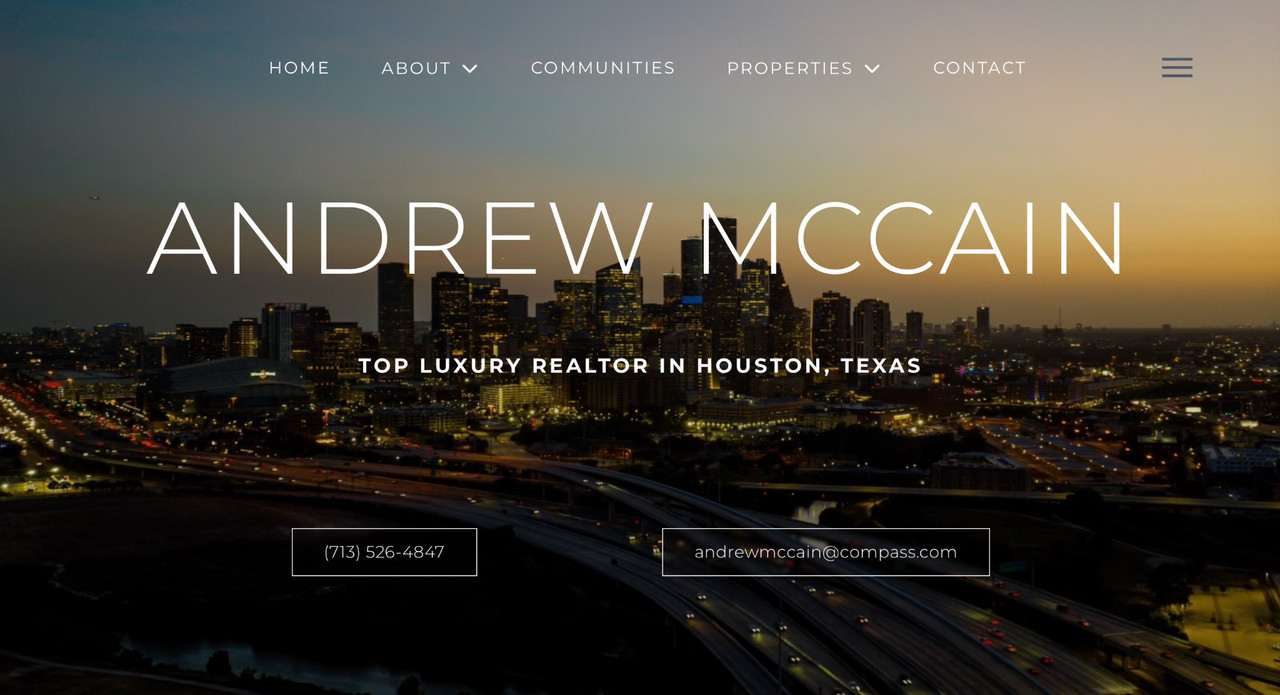
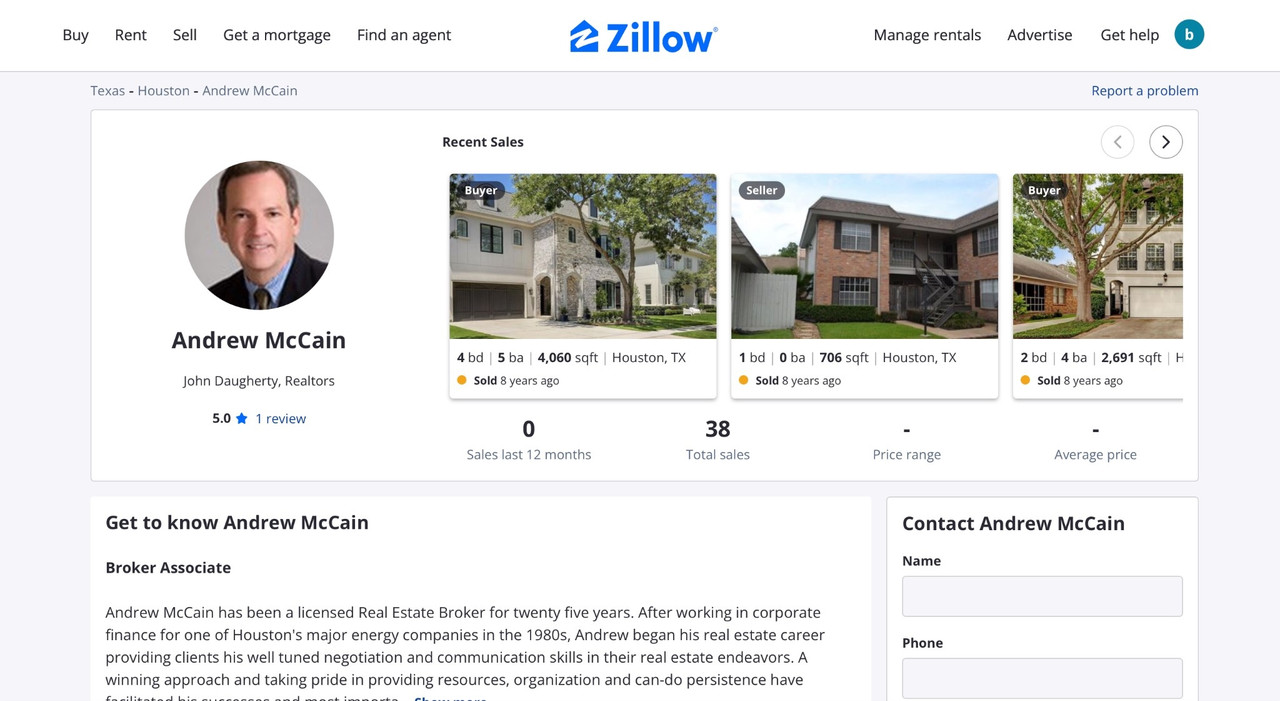
Real Estate Website Redesign
Andrew McCain
Houston, Texas
BeforeAfter
Brand PositioningClearer Identity
Responsive DesignBetter Mobile
Service ContentMore Context
Lead GenerationClearer Action
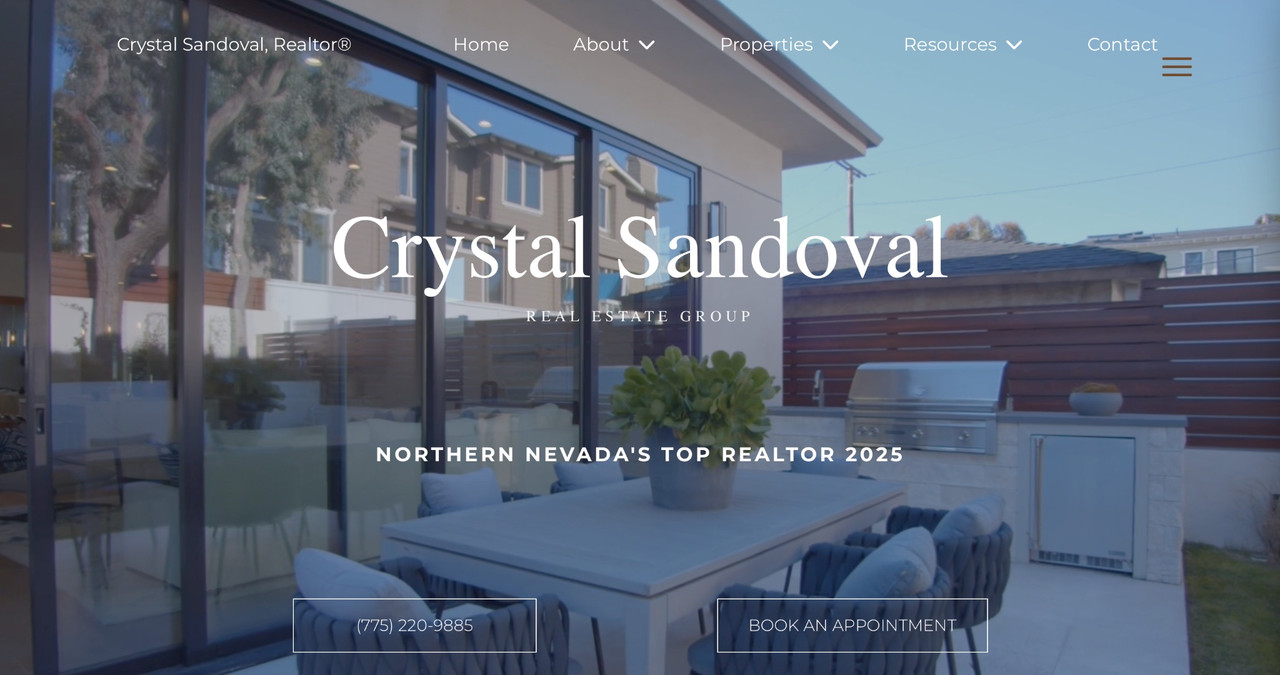
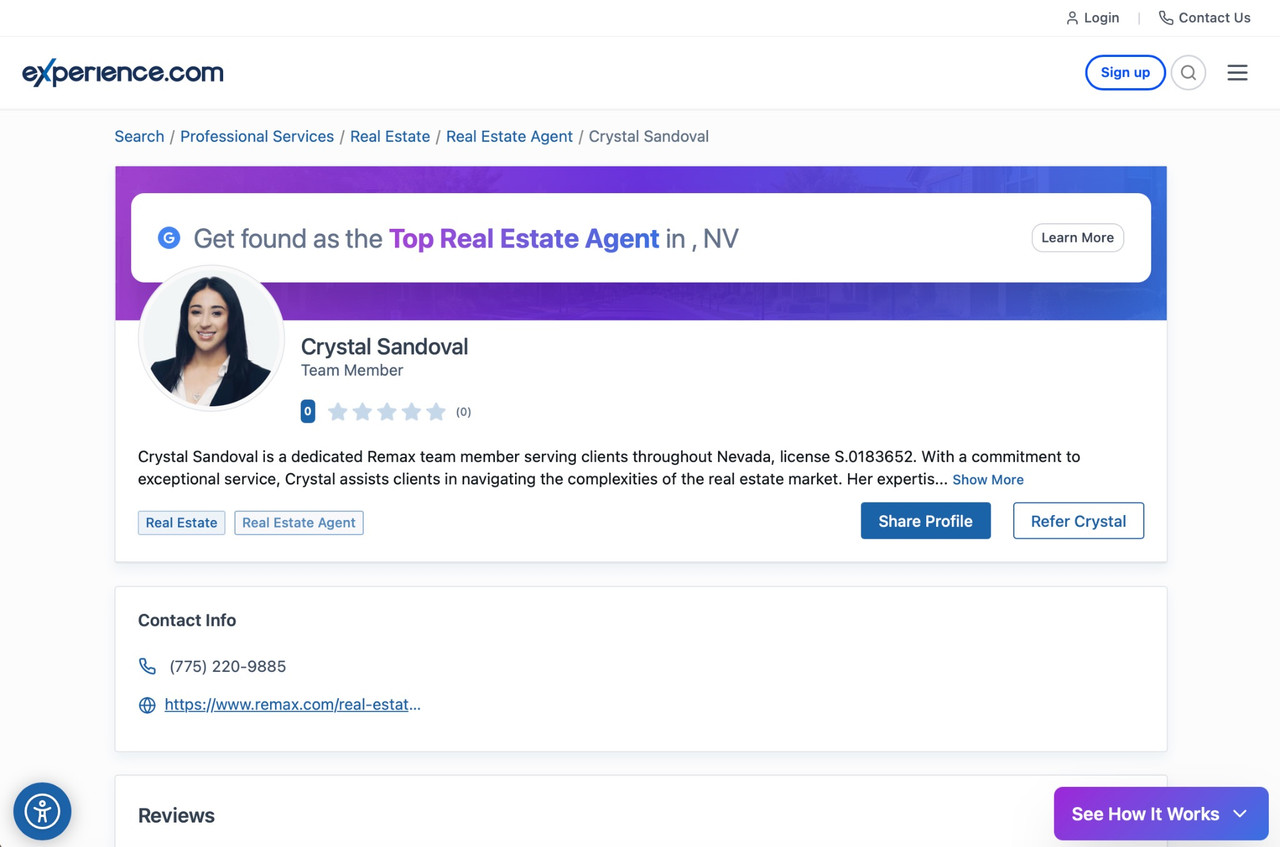
Real Estate Website Redesign
Crystal Sandoval
Reno, Nevada
BeforeAfter
Local SEOReno Visibility
Modern BrandingStronger Presence
Clear ExpertiseBetter Messaging
Search GrowthMore Opportunity
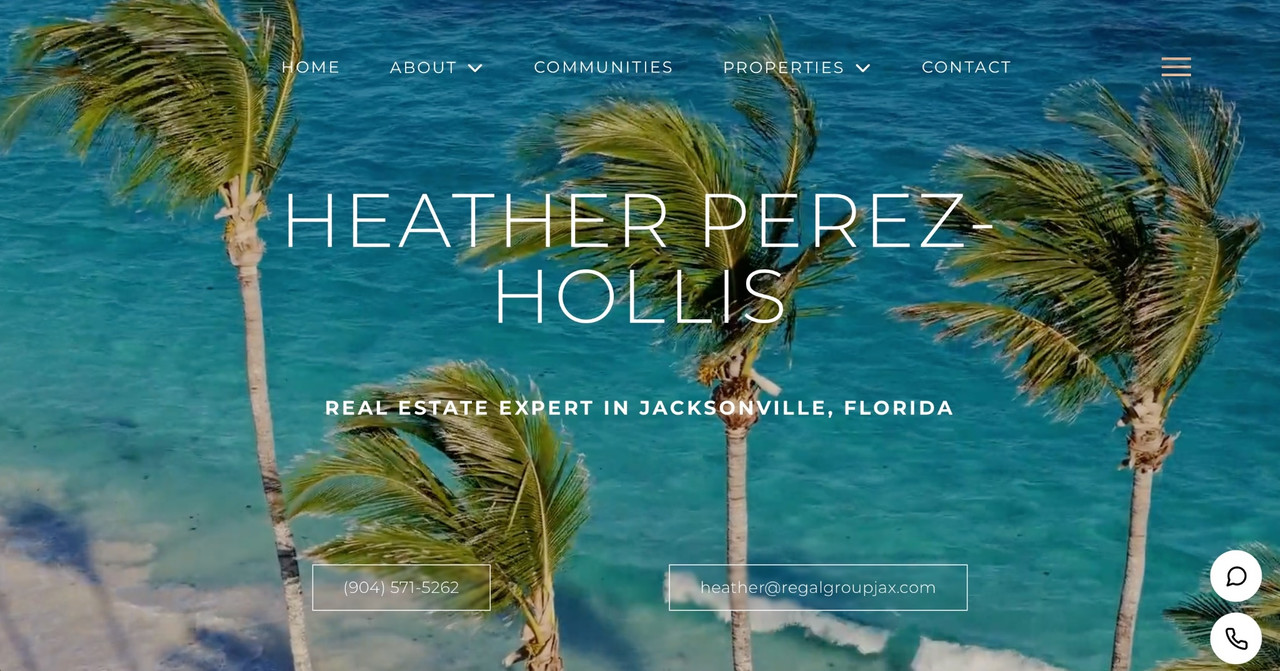
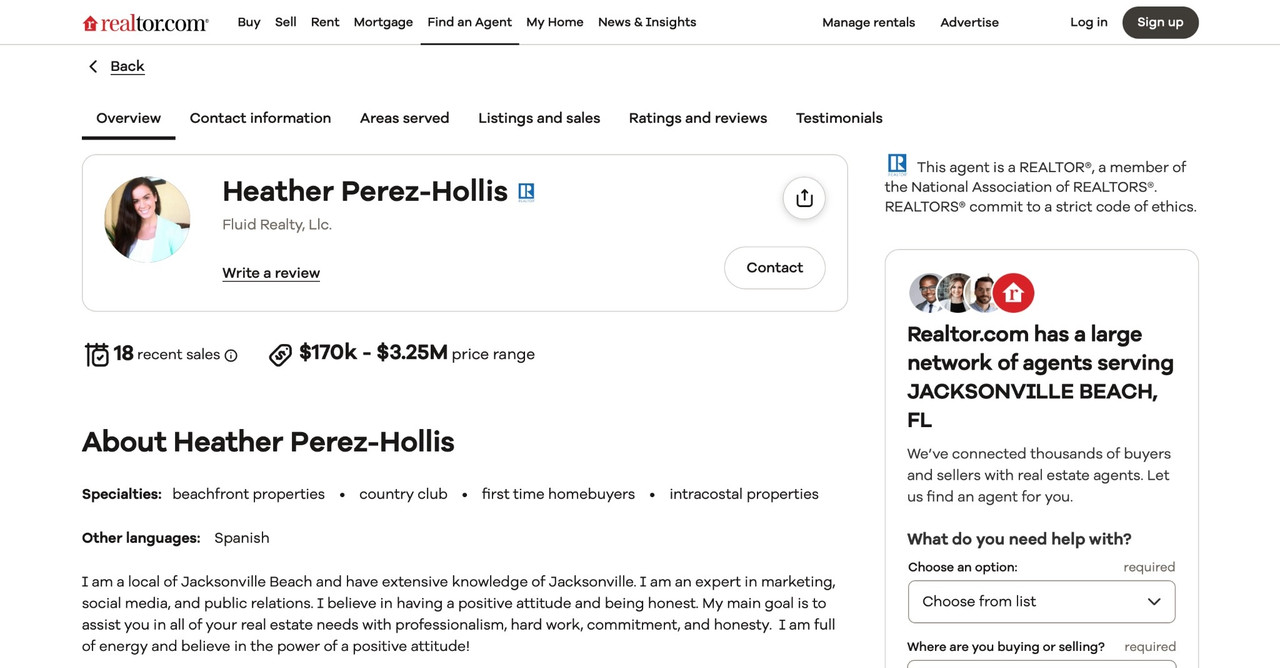
Luxury Real Estate Website Redesign
Heather Perez-Hollis
Jacksonville, Florida
BeforeAfter
Luxury PositioningElevated Brand
Local RelevanceJacksonville SEO
AI ContextClear Expertise
Stronger TrustBetter Conversion
SEO After the Redesign
A stronger website should become easier to find. And easier to choose.
A useful redesign improves both presentation and visibility. Webstarz rebuilds websites around clear services, local markets, useful content, technical structure, mobile usability, trust signals, and direct conversion paths for Google, AI search, and real visitors.
01
More searchable content
Dedicated service pages, location pages, biographies, FAQs, listings, and resources create more opportunities to appear in search.
02
Clearer business understanding
Names, locations, services, credentials, specialties, and structured data give Google and AI systems better context.
03
Better conversion from traffic
Stronger messaging, mobile design, forms, calls to action, and trust elements help turn visibility into inquiries.
Your current website does not have to define your next one.Start with a free mockup and see how the business could look with stronger design, SEO, structure, and positioning.
What the Redesign AddsMore useful information for search engines, AI platforms, and potential clients.
01
Local SEO
City, neighborhood, county, and regional content connects the business with the markets customers are searching.
02
Service Relevance
Dedicated pages explain each service instead of forcing every search topic onto one generic homepage.
03
AI Search Signals
Biographies, expertise, credentials, service areas, reviews, and consistent information create better recommendation context.
04
Technical Structure
Metadata, headings, schema, internal links, mobile performance, accessibility, and crawlable content strengthen the foundation.
Industries We Serve | Custom Websites & SEO | WEBSTARZ
Who We Build For
Industries.
Every business is different. WEBSTARZ creates custom, SEO-focused websites designed around how your customers search, what they need to see, and what helps them choose you.
Real Estate Websites
Our Primary Focus
01
Individual Agents
Custom real estate websites for agents and Realtors looking to strengthen their personal brand, rank in local search, showcase listings, and generate more qualified leads.
Agent Websites · Realtor SEO · Local Lead Generation
Modern real estate brokerage websites designed for agent recruiting, property marketing, local market visibility, lead generation, and long-term brand growth.
Custom small-business websites created to improve credibility, increase local visibility, explain your services clearly, and turn more visitors into customers.
Small Business Websites · Local SEO · Customer Growth
High-converting websites for contractors, plumbers, electricians, roofers, HVAC companies, landscapers, painters, cleaners, and other local service providers.
Contractor Websites · Home Service SEO · Local Leads
iLandMiami — a top luxury service company in Miami, Florida.
Built to elevate your presence
Reach More Clients... & Stand Out.
We build polished digital experiences that strengthen your brand, improve visibility, and help the right clients find and trust your business.
Your website should immediately communicate credibility, quality, and what makes your business different. WEBSTARZ creates custom, mobile-optimized websites designed to convert visitors into inquiries while presenting your brand at its highest level.
Search engine optimization helps your business appear when potential clients are actively looking for your services. We structure your website, content, metadata, and local search presence to improve Google visibility and attract more qualified traffic.
A strong website works best when it is supported by a clear marketing strategy. We help connect your website, local presence, campaigns, and calls to action so more of your audience becomes real leads and customers.
Consistent branding makes your business easier to recognize and remember. We refine the visual direction, messaging, typography, imagery, and presentation so every part of your online presence feels intentional and professional.
We build AI-optimized websites using localized and specialized content, strategic keywording, and JSON-LD schema markup. This helps search engines and AI-powered search tools better understand your business, services, location, and relevance.
Client Website Examples | WEBSTARZ
Featured Client Work
Portfolio.
A look at custom websites created for real estate professionals, businesses, and brands that needed a stronger, more polished online presence.
01
Daniel William Hynes
A luxury real estate platform for a TTR Sotheby’s broker with 35+ years of experience, 500+ properties represented, and more than $750M in career sales volume.
A conversion-focused local service website for a top-rated painting company with 15+ years of experience, 1,000+ completed projects, and a 5.0-star rating.
We use optional analytics and advertising technologies to measure website activity. You can accept them or continue with essential functions only.
Privacy Policy

 Before
After
Before
After